From Alerts to Anticipation: Flight Data Monitoring for Predictive Safety
Flight Data Monitoring (FDM) is no longer only about looking back at events — it is a foundation for anticipating risks and preventing incidents.…
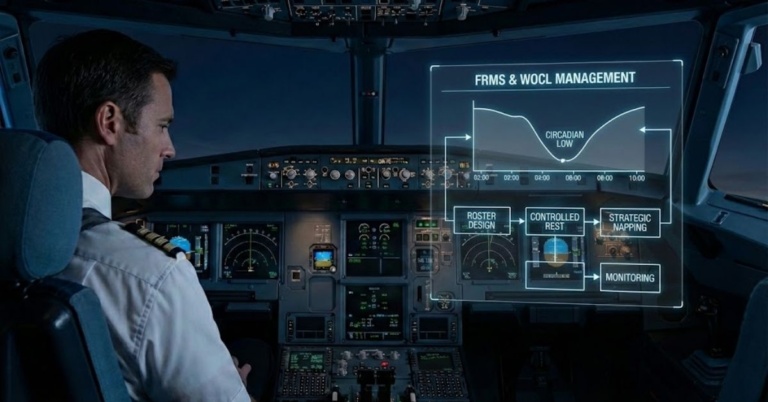
Fatigue is a persistent safety risk in aviation that affects decision-making, attention and performance. A Fatigue Safety Action Group (FSAG) is a focused working…
Management of Change (MOC) is not a bureaucratic hurdle; it is a practical safety tool. In aviation, even small changes to procedures, equipment, staffing,…
The repetitive findings can be an important cue about a systematic problem at your organization and show how effective your compliance system is. Compliance…
Bird strikes Risk is a persistent aviation hazard that can cause significant aircraft damage, flight disruptions, and safety risk to passengers and crew. Effective…
Safety Management Systems (SMS) rely on clear human and organisational arrangements to function effectively. There are safety duties and responsibilities for everyone. A common…
Window of Circadian Low (WOCL) is a critical concept in fatigue risk management for aviation. It describes the period when human alertness and performance…
Gray swans are events that are unusual but have identifiable signs and a reasonable chance of occurring. In aviation safety they sit between everyday…
The “turkey illusion” is a simple story with a powerful lesson: past comfort does not guarantee future safety. Nassim Taleb used the turkey parable…
Introduction Data is no longer optional for business aviation operators. It is the foundation for safer flights, stronger compliance, and more efficient operations. This…